
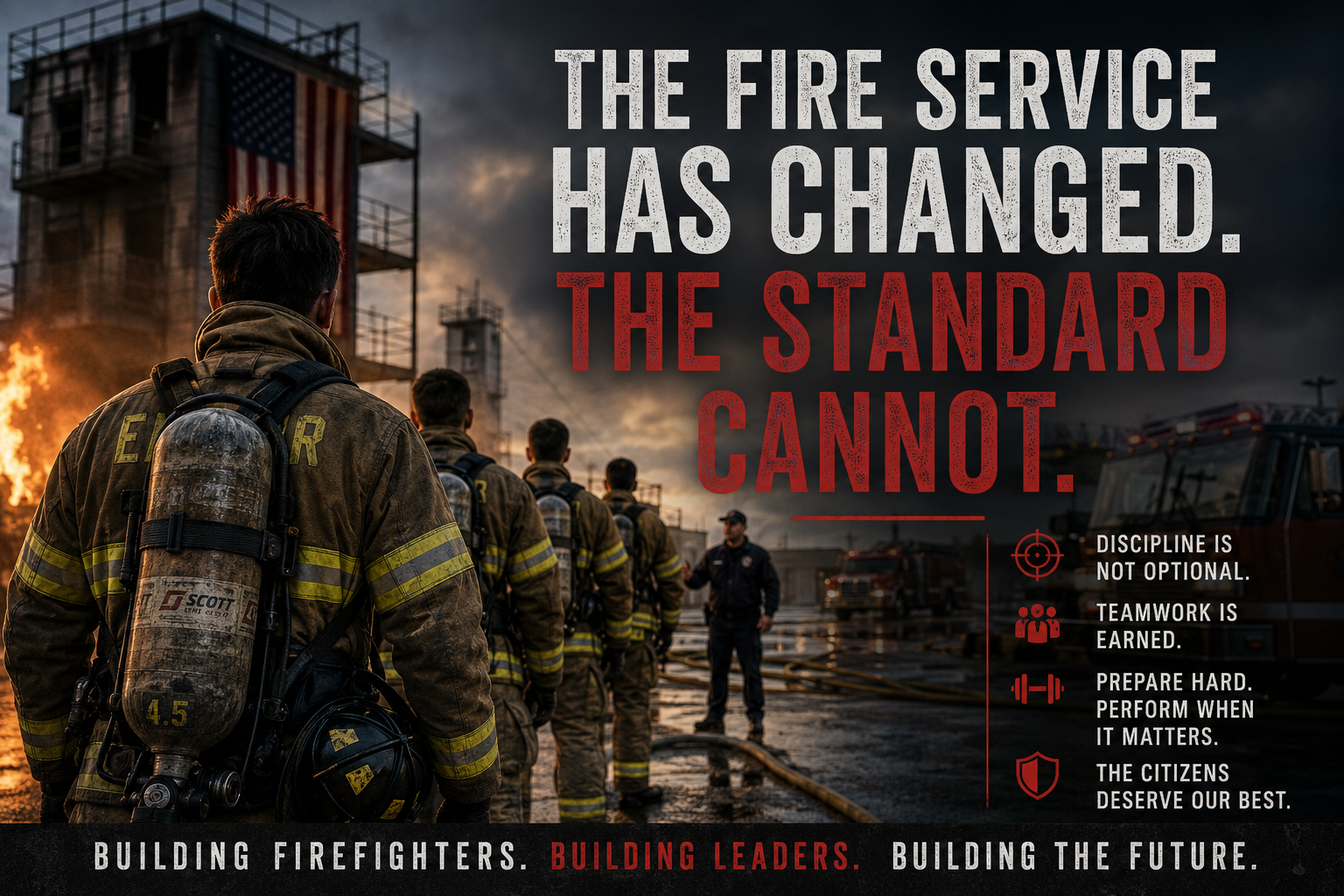
There is a conversation taking place around kitchen tables, training grounds, and officer meetings across the country. It is not always comfortable, but it is necessary.
Today’s generation of firefighters is entering the fire service with a different background than many generations before them. For a growing number of recruits, this is their first real job. They have never worked construction. Never stocked shelves on midnight shift. Never worked long hours in bad weather. Never had a supervisor hold them accountable every day for showing up late, taking shortcuts, or failing to pull their weight.
That reality is not an attack on younger firefighters. It is simply the environment many of them grew up in.
The fire service used to receive applicants who already understood hard work because they had lived it before they ever stepped into an academy. Many came from military service, trades, factories, farms, EMS, or physically demanding labor jobs. They understood responsibility, hierarchy, teamwork, and discomfort long before they wore a badge.
Today, many recruits arrive with different experiences and different expectations.
Some enter the profession believing the fire service should constantly be exciting, entertaining, or fun. They see the camaraderie, the social media posts, the videos of station life, and the pride that comes with the profession. What they do not always understand is this:
Fun comes along with the job. Fun is not the job.
The job is sacrifice.
The job is discipline.
The job is training when nobody wants to train.
The job is cleaning tools after midnight.
The job is studying building construction after everyone else goes to bed.
The job is carrying someone’s child out of a burning home.
The job is standing in the rain at 3:00 in the morning pulling ceiling while exhausted.
The job is showing up ready even when life outside the station is difficult.
That is what must be taught early.
Research across both the fire service and broader workforce studies confirms there are growing generational differences in expectations surrounding communication, work-life balance, accountability, and workplace culture. Studies from the National Fire Academy and other fire service leadership research have identified clear challenges involving work ethic expectations, mentorship, and adapting younger generations to the culture of emergency services
But here is the important part many people miss:
- The answer is not complaining about the next generation.
- The answer is leadership.
Every generation says the one behind them is softer, less disciplined, or less prepared. That argument is older than the fire service itself. The responsibility of leadership is not to complain about reality. The responsibility is to adapt training and mentorship without lowering standards.
That starts in the academy.
The academy cannot simply be about passing state tests or checking certification boxes. If all we produce are firefighters who can pass written exams but cannot handle adversity, criticism, fatigue, or responsibility, then we have failed them before probation even begins.
We need academies that build habits, not just certifications.
We need instructors who teach recruits how to work before they teach them how to flow a line.
That means teaching punctuality. Attention to detail. Personal accountability. Physical toughness. Pride in small tasks. Respect for the chain of command. The ability to accept correction without becoming defensive.
It also means explaining why standards matter.
Today’s younger firefighters often respond better when they understand the purpose behind the expectation. Research on multigenerational fire service leadership shows younger members value mentorship, communication, and understanding the “why” behind procedures and expectations.
That does not mean lowering the standard. It means explaining the standard while still enforcing it.
A recruit should know why equipment checks matter.
A recruit should know why physical fitness is non-negotiable.
Because details save lives.
Complacency kills firefighters.
Discipline under stress does not magically appear on the fireground. It is built through repetition, accountability, and standards long before the tones drop.
The academy environment should create controlled adversity. Not abuse. Not humiliation. But adversity.
Recruits should be uncomfortable. They should be challenged physically and mentally. They should learn how to function while tired, stressed, and under pressure because that is exactly what this profession demands.
The fireground does not care about feelings, excuses, or entitlement.
Citizens call us on the worst day of their lives expecting competence, professionalism, and calm under pressure. They deserve firefighters who are prepared for that responsibility.
Departments across the country are already recognizing this need. Investments in modern firefighter training facilities and workforce development are growing as communities recognize that strong departments depend on robust training programs.
But buildings and props alone will not solve the problem.
Culture will.
The academy’s culture must reinforce that no one is above the work. Officers must model professionalism. Senior firefighters must mentor rather than simply criticize. Recruits must understand that respect is earned through consistency, humility, and effort.
And somewhere along the way, the fun will come.
It comes in the kitchen after a difficult call.
It comes during training with your crew.
It comes through trust, shared hardship, and friendships built over years of service.
That part of the fire service is real. It is one of the greatest professions in the world because of those relationships.
But those moments are earned through the work itself.
The fire service does not need fewer standards to attract the next generation.
It needs leaders willing to teach the next generation why the standards matter in the first place.
Leave a Reply